


.svg)
S-Corp Tax Preparation in Charlotte, NC: What Every Business Owner Should Know
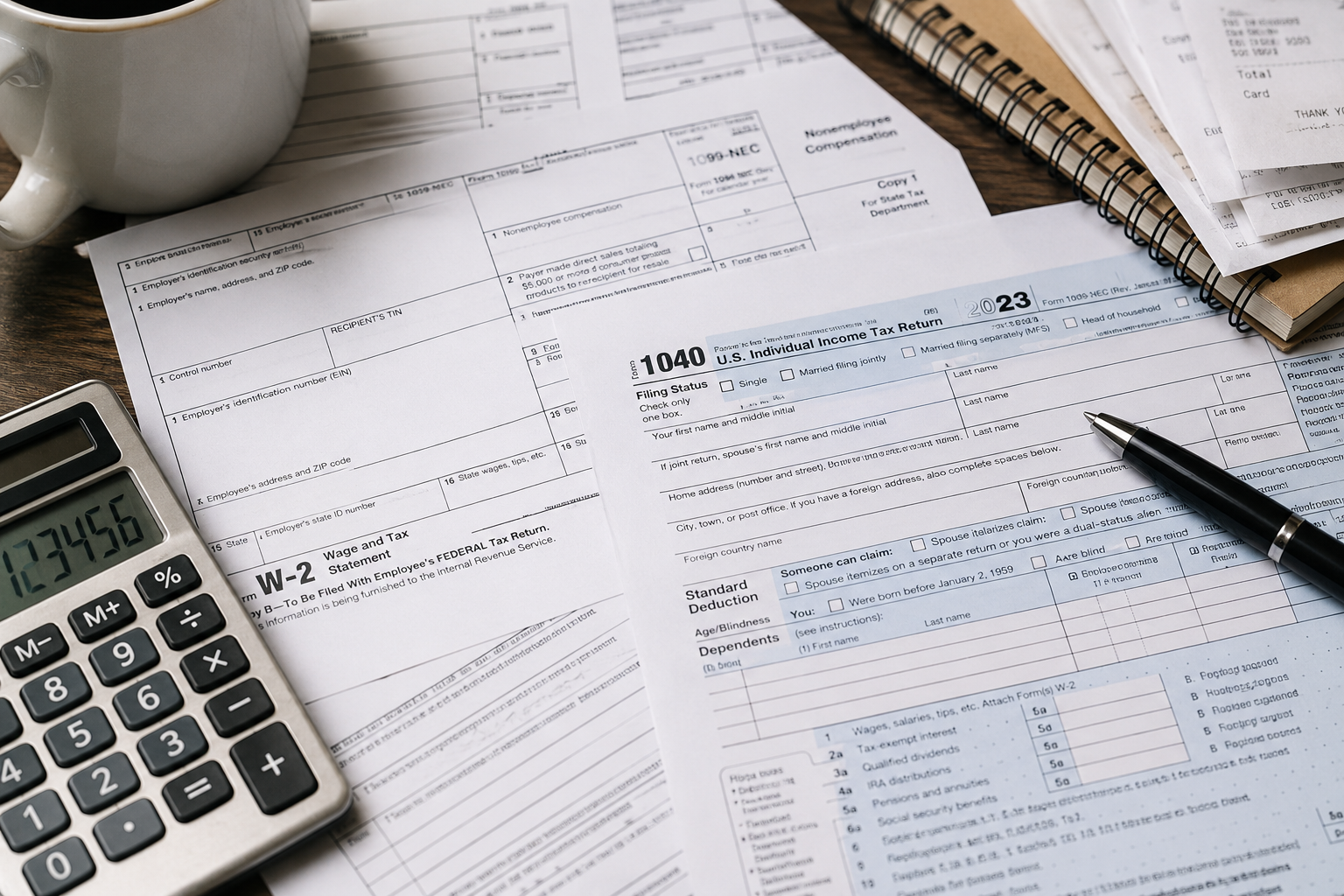
Understanding Your Responsibilities as an S-Corporation Owner
Electing S-Corporation (S-Corp) status can provide meaningful tax advantages for many small business owners. However, those potential savings also come with additional responsibilities that extend far beyond filing an annual tax return.
Many entrepreneurs choose an S-Corp because they have heard about possible payroll tax savings, but they often underestimate the ongoing bookkeeping, payroll, and compliance requirements. Understanding these obligations before tax season arrives can help you avoid costly mistakes and keep your business running smoothly.
An S-Corp Requires More Than Filing a Tax Return
Unlike a sole proprietorship or many LLCs, an S-Corporation requires ongoing financial management throughout the year, not just when it's time to prepare your tax return.
Most S-Corporation owners should be prepared to:
- Maintain accurate bookkeeping
- Keep personal and business finances separate
- Track all business income and expenses
- Process payroll when required
- Maintain corporate records
- File annual tax returns and payroll reports
- Stay current with federal and state compliance requirements
An S-Corp is more than a tax election. It is an ongoing responsibility that requires consistent organization and attention to detail.
Accurate Bookkeeping Is the Foundation of Every S-Corp
Reliable bookkeeping is one of the most important parts of operating an S-Corporation.
Without accurate financial records, it becomes difficult to determine company profit, calculate payroll correctly, prepare tax returns, or support deductions if questions ever arise.
Your bookkeeping should include:
- Business income
- Operating expenses
- Payroll records
- Owner distributions
- Business bank account activity
- Business credit card transactions
Many business owners wait until tax season to organize their finances, but this often creates unnecessary stress and increases the risk of mistakes.
If you want practical guidance on organizing financial records year-round, read LLC Tax Filing in Charlotte, NC: What Every Business Owner Needs to Know. Although the article focuses on LLCs, many of the bookkeeping principles apply equally to S-Corporations.
Owner Payroll Is Usually Required
One of the biggest misconceptions about S-Corporations involves owner compensation.
If you're an owner who actively works in the business, the IRS generally expects you to receive wages through payroll before taking shareholder distributions.
Some business owners mistakenly believe they can avoid payroll entirely by taking all profits as distributions because distributions generally aren't subject to self-employment tax.
Unfortunately, that's not how the rules work.
Ignoring payroll requirements can lead to additional taxes, penalties, and interest if the IRS determines reasonable compensation wasn't paid.
What Is a Reasonable Salary?
The IRS requires shareholder-employees to receive reasonable compensation for the work they perform.
There isn't a fixed salary that works for every business.
Instead, reasonable compensation may depend on factors such as:
- Industry standards
- Job duties
- Experience and qualifications
- Time devoted to the business
- Company profitability
- What another employee would earn performing similar work
Paying yourself an unrealistically low salary while taking large shareholder distributions can attract IRS scrutiny and potentially increase your tax liability.
Determining reasonable compensation is one of the most important parts of effective S-Corporation tax planning.

Separate Personal and Business Finances
Mixing personal and business transactions is one of the most common accounting mistakes business owners make.
Maintaining separate finances helps produce cleaner bookkeeping, supports your corporation's legal structure, and simplifies tax preparation.
S-Corp owners should generally:
- Maintain a dedicated business bank account
- Use separate business credit cards
- Avoid paying personal expenses from company accounts
- Keep detailed records of owner contributions and distributions
These habits make preparing accurate financial statements and tax returns much easier throughout the year.
Corporate Records Matter
An S-Corporation should also maintain appropriate corporate records.
Depending on your corporation and applicable state law, these may include:
- Articles of Incorporation
- Corporate bylaws
- Annual shareholder meetings
- Meeting minutes
- Written resolutions
- Stock records
- Documentation of significant business decisions
Maintaining proper records helps demonstrate that the corporation operates as a separate legal entity and supports both legal protection and tax compliance.
Common S-Corp Tax Mistakes
Many S-Corporation tax issues develop long before tax season begins.
Some of the most common mistakes include:
- Not running payroll for active owners
- Poor bookkeeping
- Missing payroll tax filings
- Mixing personal and business expenses
- Poor documentation of owner distributions
- Ignoring corporate formalities
- Waiting until tax season to organize records
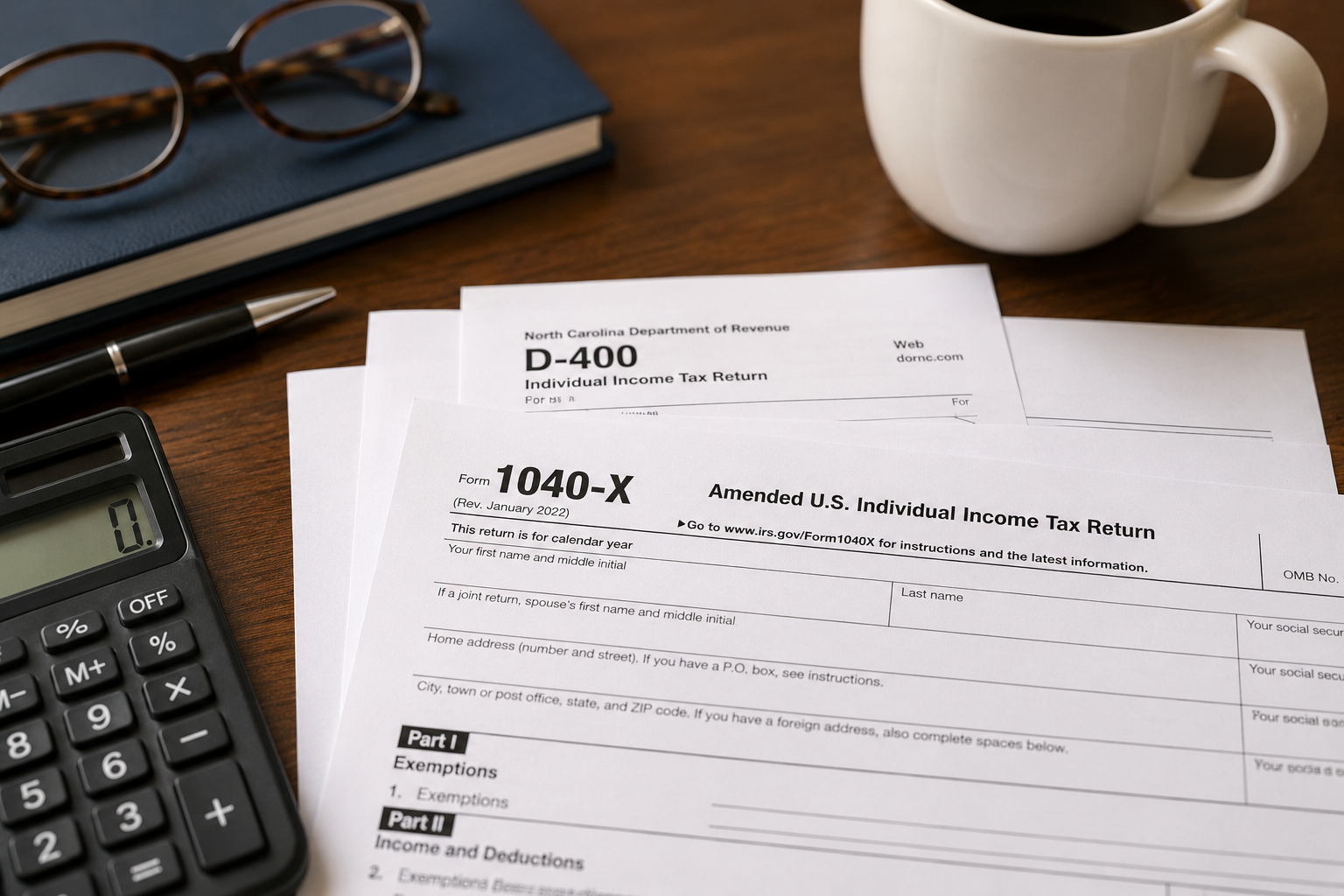
If you discover mistakes after filing, you can sometimes correct them by submitting an amended return. Learn more in How to File an Amended Tax Return: Federal and North Carolina Guide, where we explain when amendments may be appropriate and how the process generally works.
Why Year-Round Tax Planning Matters
Successful S-Corporation owners don't think about taxes only once a year.
Regular bookkeeping, payroll reviews, and tax planning help business owners:
- Monitor profitability
- Improve cash flow
- Reduce filing errors
- Prepare accurate tax returns
- Avoid unexpected tax bills
If you anticipate needing additional time to complete your tax return, it's important to understand how extensions work. Our article Should You File a Tax Extension? What Business Owners Should Know explains what an extension does—and doesn't—provide, helping business owners avoid unnecessary penalties.
Proactive planning throughout the year is almost always easier than trying to fix problems after deadlines have passed.
Disclaimer
This article is for informational purposes only and should not be considered tax or legal advice. Every business is different, and tax laws change over time. Consult a qualified tax professional regarding your specific situation.
Need Help With S-Corp Tax Preparation in Charlotte, NC?
Operating an S-Corporation offers significant opportunities—but only when the business maintains accurate records and complies with ongoing tax requirements.
At TaxPro Consult and Bookkeeping Services, we help Charlotte-area business owners:
- Maintain accurate bookkeeping
- Process payroll correctly
- Prepare S-Corporation tax returns
- Stay compliant with IRS and North Carolina filing requirements
- Plan ahead to minimize tax surprises
Business owners should also understand how North Carolina taxes individuals and businesses. For an overview of current state tax rates and deductions, read North Carolina State Income Tax Explained (2026).
Whether you're considering electing S-Corporation status or already operate as one, professional guidance can help simplify compliance so you can focus on growing your business with confidence.
Expert Tax and Bookkeeping Insights from Our Team























.webp)



-2.webp)

Schedule your consultation to get a professional tax service you can trust
.avif)


Charlotte, North Carolina 28226
McMullen Creek Office Building