


.svg)
IRS Warning About False Wages & Fake Tax Withholding Schemes

IRS Warning: False Wages & Withholding Schemes Are Increasing
The Internal Revenue Service (IRS) has recently issued another warning about fraudulent tax schemes involving fake wages and false tax withholding claims.
Unfortunately, these scams are becoming more common, especially online and on social media, where promoters advertise “secret tax tricks” or “guaranteed refunds.”
The problem is that these schemes can lead to serious consequences for taxpayers, including denied refunds, penalties, audits, and even criminal investigations in severe cases.
If someone promises you a large refund based on income or withholding you never actually had, it’s important to be extremely cautious.
What Is a False Wage or Withholding Scheme?
These schemes usually involve filing a tax return with false information to generate an artificial refund from the IRS.
Fraudulent promoters may encourage taxpayers to:
- Report wages they never earned
- Claim withholding from employers they never worked for
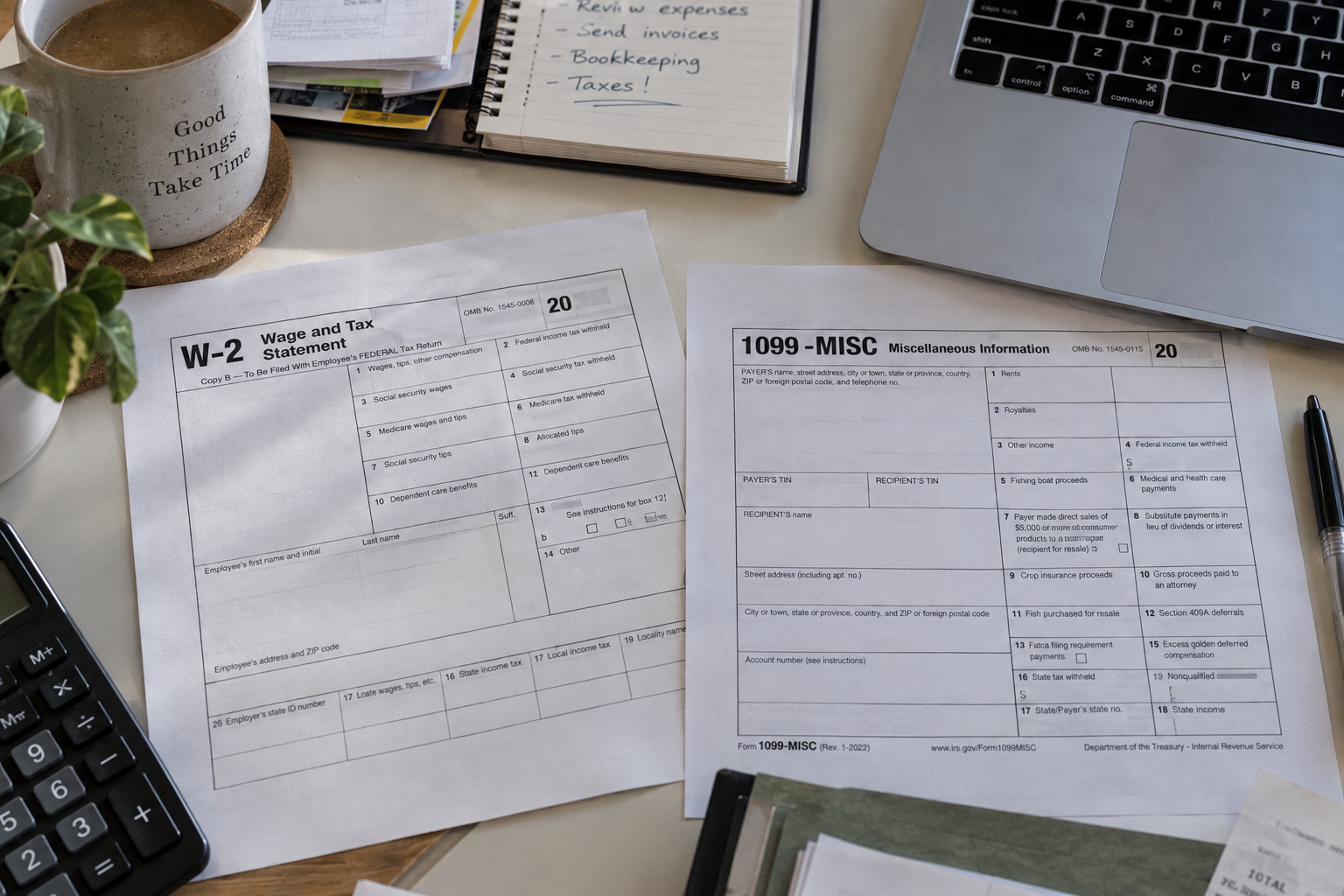
- Submit fake Forms W-2 or 1099
- Inflate withholding amounts to increase a refund
In many cases, scammers convince taxpayers that this is a legal “loophole” or a hidden tax strategy.
It is not.
The IRS considers this fraudulent activity.
Why Are More Taxpayers Falling for These Scams?
Tax scams evolve quickly, and scammers are becoming more sophisticated every year.
Many fraudulent schemes are now promoted through:
- Social media videos
- Messaging apps
- Online forums
- Private groups and chat communities
- Word-of-mouth recommendations
Often, the scams are presented as:
- “Little-known tax secrets”
- “Government refund programs”
- “Ways rich people avoid taxes”
- “Guaranteed refund methods”
For taxpayers struggling financially, these promises can sound tempting — especially during tax season.
But filing false information can create much bigger problems later.
What Happens If You File False Wage or Withholding Information?
The IRS has made it clear that taxpayers are responsible for the accuracy of their tax returns, even if someone else prepared the return.
Possible consequences include:
- Refunds being denied or frozen
- Accuracy-related penalties
- Interest charges
- IRS audits
- Collection actions
- Criminal investigation in serious cases
In many situations, the IRS already receives copies of W-2s and 1099s directly from employers and financial institutions. That means false information can often be detected automatically.
Even If Someone Else Prepared the Return, You Are Still Responsible
One of the biggest misconceptions taxpayers have is believing:
“My preparer filed it, so it’s their responsibility.”
Unfortunately, that is not how the IRS views it.
When you sign a tax return, you are confirming that the information is accurate to the best of your knowledge.
That’s why reviewing your return carefully before filing is extremely important.

Be Careful About Taking Tax Advice From Social Media
Another major issue the IRS continues to warn about is misinformation online.
Tax laws are complicated and change frequently. Advice that worked for someone else may:
- Not apply to your situation
- Be outdated
- Leave out important details
- Be completely incorrect
A viral “tax hack” is not the same as professional tax guidance.
How To Protect Yourself During Tax Season
Work With a Legitimate Tax Professional
Choose a qualified tax professional with:
- Proper credentials
- A legitimate business presence
- Clear communication
- Secure systems for handling documents
Use Secure Document Sharing
Sensitive tax documents should be shared through secure client portals — not random Google Drive links, text messages, or unsecured apps.
Pay Attention to Communication Red Flags
Be cautious if someone:
- Only communicates through WhatsApp or text
- Refuses to explain the return
- Avoids providing copies of documents
- Promises unusually large refunds without explanation
Review Your Tax Return Before Signing
Always review:
- Income amounts
- Withholding amounts
- Refund figures
- Employer information
If something looks unfamiliar or unrealistic, ask questions before filing.
Official IRS Guidance
The IRS has issued official alerts regarding false wage and withholding schemes and reminds taxpayers to stay cautious of refund scams and misleading tax advice.
For more information, visit:
IRS Official Guidance on False Wages & Withholding Schemes
Pro Tip
A legitimate tax strategy is always based on:
- Real income
- Real documentation
- Real tax law
If someone promises a huge refund using “secret methods” or asks you to report income you never earned, that is a major red flag.
Final Thoughts
Tax season can already feel stressful, and it’s understandable why many taxpayers investigate how to maximize their refund.
But shortcuts and fraudulent tax schemes can lead to serious financial and legal consequences.
If something seems overly positive, it may not be accurate.
The safest approach is always to work with a trusted tax professional, file accurate information, and avoid anyone promising unrealistic results.
Disclaimer: This article is for general educational purposes only and does not constitute tax, legal, or financial advice. Tax laws change and each taxpayer’s situation is different. Please consult a qualified tax professional regarding your specific circumstances.
Need Help Reviewing Your Tax Situation?
At TaxPro Consult and Bookkeeping Services, we help individuals and business owners file accurate tax returns, avoid costly mistakes, and stay compliant with current IRS regulations.
If you have concerns about your tax return, refund, or advice you received from another preparer, visit our individual tax preparation page — our team can help you review your situation and move forward confidently.
Expert Tax and Bookkeeping Insights from Our Team
























.webp)



-2.webp)

Schedule your consultation to get a professional tax service you can trust
.avif)


Charlotte, North Carolina 28226
McMullen Creek Office Building