


.svg)
Can a Short-Term Rental Reduce Your Taxes? What High-Income Earners Need to Know

Why High-Income Earners Are Looking at Short-Term Rentals
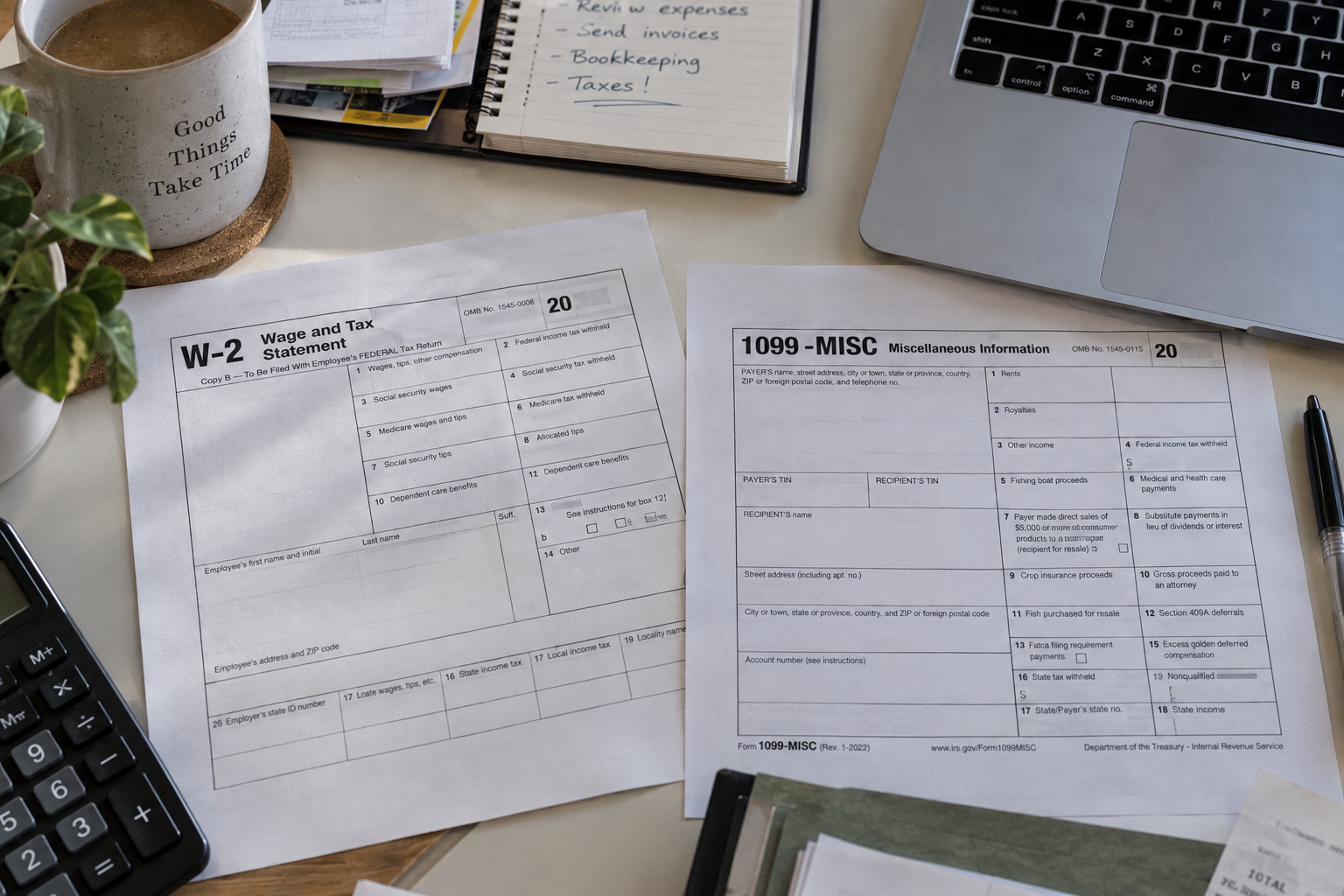
If you earn a high salary, own a successful business, or receive substantial W-2 income, you've probably wondered whether there are legitimate ways to reduce your tax burden.
One strategy that has gained significant attention is investing in short-term rental properties.
With the return of 100% bonus depreciation, some investors are exploring how rental real estate may create deductions that help lower taxable income. However, the tax benefits depend on specific IRS rules, and not every investor will qualify for the same outcome.
Before purchasing a property for tax reasons, it's important to understand how these rules work.
Why Short-Term Rentals Are Different From Traditional Rentals
Most rental properties are considered passive activities under IRS rules.
Generally, passive losses cannot be used to offset active income such as:
- W-2 wages
- Business income
- Consulting income
- Professional service income
This is where many investors get frustrated. They may generate a loss on a rental property but cannot immediately use that loss against their salary.
Short-term rentals can sometimes be treated differently.
When a property's average guest stay is seven days or less, it may fall outside certain passive activity rules, creating potential planning opportunities that traditional rental properties often cannot provide.
This difference is one reason short-term rentals have become popular among high-income taxpayers.
Material Participation Is Critical
Buying a short-term rental alone does not create tax benefits.
To potentially use losses against other income, the owner generally must materially participate in the activity.
Material participation means actively being involved in operating the property.
Activities may include:
- Managing reservations
- Communicating with guests
- Coordinating cleaning crews
- Scheduling repairs
- Managing contractors
- Handling maintenance issues
- Overseeing daily operations
The IRS has specific tests used to determine material participation.
Proper documentation is extremely important. Maintaining calendars, logs, emails, invoices, and records of management activities can help support your position if questioned by the IRS.
The Power of Bonus Depreciation
One reason short-term rental strategies receive so much attention is bonus depreciation.
Depreciation allows property owners to deduct the cost of certain assets over time.
Bonus depreciation accelerates these deductions, allowing qualifying assets to be written off much faster.
For some investors, this can create substantial first-year deductions even when the property itself is producing positive cash flow.
The return of 100% bonus depreciation has renewed interest in real estate tax planning because it can significantly increase available deductions during the first year of ownership.

What Is a Cost Segregation Study?
A cost segregation study is commonly used alongside bonus depreciation.
Normally, residential rental property is depreciated over many years. A cost segregation study identifies specific building components that qualify for shorter depreciation schedules.
Examples may include:
- Appliances
- Flooring
- Lighting fixtures
- Cabinets
- Landscaping improvements
- Certain electrical and plumbing systems
By separating these assets from the building structure, investors may be able to accelerate depreciation deductions.
When combined with bonus depreciation, this strategy can potentially create large paper losses during the early years of ownership.
The exact benefit depends on the property's purchase price, characteristics, and the results of the cost segregation study.
Can Rental Losses Offset W-2 Income?
This is the question most investors want answered.
The answer is: possibly.
The ability to use short-term rental losses against W-2 income depends on multiple factors, including:
- Average rental period
- Material participation
- Depreciation calculations
- Overall tax situation
- Proper recordkeeping
Many online discussions oversimplify the strategy. Purchasing a property does not automatically allow losses to offset salary income.
The IRS rules must be carefully followed, and the outcome varies from one taxpayer to another.
Important Risks and Considerations
Tax benefits should never be the sole reason for buying real estate.
Before investing in a short-term rental, consider:
Cash Flow
Will the property generate enough income to cover expenses, financing costs, and unexpected repairs?
Local Regulations
Many cities have implemented restrictions on short-term rentals, including licensing requirements and occupancy limits.
Management Responsibilities
Short-term rentals often require significantly more involvement than long-term rentals.
Recordkeeping
Owners must maintain strong documentation to support both operational and tax positions.
Long-Term Investment Goals
A good investment should make financial sense even without tax benefits.
Tax savings can be valuable, but they should support a sound investment strategy rather than drive the entire decision.
Final Thoughts
Short-term rentals continue to be one of the most discussed tax planning strategies for high-income earners.
Under the right circumstances, material participation, cost segregation studies, and bonus depreciation may create significant deductions that help reduce taxable income.
However, these opportunities come with detailed IRS rules and strict documentation requirements.
The most successful investors focus on both sides of the equation: owning a profitable property and understanding how the tax rules apply to their situation.
A short-term rental should first be a good investment. Any tax benefits should be viewed as an added advantage rather than the primary reason for making the purchase.
Disclaimer
This article is for informational and educational purposes only and should not be considered tax, legal, or financial advice. Family employment rules vary based on business structure, state laws, and individual circumstances. Consult a qualified tax professional before making payroll or ownership decisions involving family members.
Contact Us Today
Considering a short-term rental as part of your tax planning strategy? Before purchasing a property, review how material participation, bonus depreciation, and cost segregation rules may apply to your situation. Proper planning before you buy can help you maximize opportunities while avoiding costly mistakes later.
Expert Tax and Bookkeeping Insights from Our Team




























.webp)






-2.webp)

Schedule your consultation to get a professional tax service you can trust
.avif)


Charlotte, North Carolina 28226
McMullen Creek Office Building