


.svg)
IRS Notices Are Increasing in 2026: What To Do If You Receive a Letter

Introduction
Getting a letter from the IRS can feel stressful.
For many taxpayers, the first thought is:
“Am I being audited?”
The good news is — most IRS notices are not audits.
In fact, the majority of IRS letters are automatically generated when the system detects a mismatch between your tax return and information already reported to the IRS.
And in 2026, these notices are becoming more common.
Why?
Because tax reporting is more automated than ever — especially for people with:
- Multiple income sources
- Side businesses or LLCs
- Freelance or 1099 income
- Investment accounts
Understanding why IRS notices happen — and how to respond — can help you avoid unnecessary stress, penalties, and overpaying taxes.
Why Did I Receive an IRS Notice?
Most IRS notices are triggered when the system finds a difference between your tax return and third-party data.
This does not mean you did anything wrong.
It simply means the IRS wants clarification.
Here are the most common reasons:
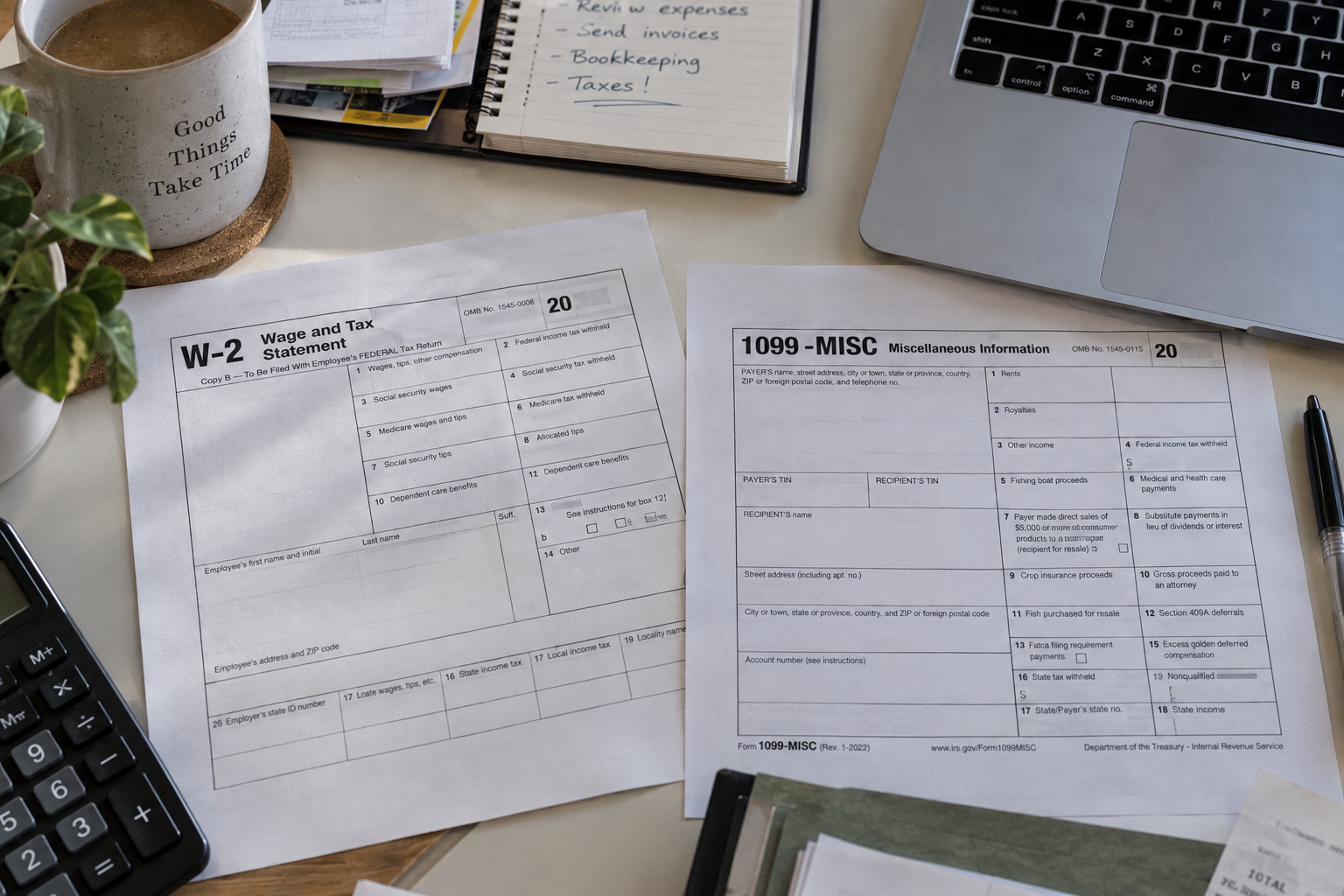
Missing Income From W-2 or 1099 Forms
If you received income reported on a W-2 or 1099, the IRS already has a copy.
If that income is missing from your return, the system may flag it automatically.
Incorrect Tax Credit Claims
Credits like:
- Child Tax Credit
- Earned Income Credit
- Education credits
can trigger notices if the IRS detects inconsistencies in eligibility.
Dependents Claimed by Multiple People
If two taxpayers claim the same dependent, the IRS system flags the conflict and sends notices to resolve it.
Estimated Tax Payment Differences
This is common for self-employed individuals and LLC owners.
If your reported payments do not match IRS records, you may receive a notice.
Filing Status Errors
Using the wrong filing status, such as Head of Household when not eligible, can also trigger IRS questions.

What Happens If You Ignore an IRS Notice?
Ignoring an IRS letter is one of the biggest mistakes you can make.
Even if the notice seems confusing or incorrect, failing to respond can lead to:
- Additional penalties
- Accrued interest
- Automatic changes to your tax return
- Increased tax balance
In many cases, responding early can prevent the issue from becoming much bigger.
How To Respond to an IRS Notice (Step-by-Step)
If you receive a notice, stay calm and follow these steps:
1. Read the notice carefully.
Understand exactly what the IRS is saying and what they are requesting.
2. Identify the Issue
Check:
- What discrepancy was found
- Whether a tax adjustment is proposed
- What documents are needed
3. Check the Deadline
Most notices require a response within 30 days.
Do not miss this.
4. Gather Supporting Documents
This may include:
- W-2 or 1099 forms
- Payment confirmations
- Bank statements
- Receipts or records
5. Respond Clearly and On Time
Submitting the correct information can quickly resolve many issues.
When You Should Contact a Tax Professional
Some IRS notices are simple.
Others are more complex and may involve proposed tax changes or larger balances.
A tax professional can help you:
- Review the notice in detail
- Confirm if the IRS calculations are correct
- Prepare a proper response
- Avoid unnecessary tax increases
- Handle communication with the IRS
Getting help early can save you money and stress.
Final Thoughts: IRS Notices Are More Common Than You Think
Receiving an IRS notice does not automatically mean there is a serious problem.
In most cases, it simply means the IRS needs clarification.
The key is to:
- Review the notice carefully
- Respond on time
- Provide accurate documentation
Taking action early makes the process much easier and helps you avoid penalties.
FAQ: IRS Notices
Does an IRS notice mean I am being audited?
No. Most IRS notices are automated and related to small discrepancies, not audits.
How long do I have to respond to an IRS notice?
Most notices require a response within 30 days, but always check the specific deadline on your letter.
Can an IRS notice be wrong?
Yes. IRS notices can be issued due to incomplete or mismatched data. Providing documentation often resolves the issue.
What should I do if I receive an IRS notice?
Read the notice carefully, gather your documents, and respond before the deadline. If unsure, contact a tax professional.
Disclaimer – TaxPro Consult and Bookkeeping Services
This article is provided for general informational and educational purposes only and does not constitute tax, legal, or accounting advice. Tax laws and regulations may change, and individual situations vary. You should consult a qualified tax professional who can review your specific circumstances before making financial or tax-related decisions. TaxPro Consult and Bookkeeping Services is not acting as your tax advisor or preparer solely by providing this content.
Need Help Responding to an IRS Notice?
If you received a letter from the IRS and are not sure what to do next, it is important to handle it correctly the first time.
At TaxPro Consult and Bookkeeping Services, we help individuals and business owners in Charlotte and across the U.S.:
- Understand IRS notices
- Review tax discrepancies
- Prepare accurate responses
- Reduce penalties and avoid overpaying
Do not ignore an IRS letter or guess your way through it.
Reach out today and let a professional guide you through the process with confidence.
Expert Tax and Bookkeeping Insights from Our Team


























.webp)



-2.webp)

Schedule your consultation to get a professional tax service you can trust
.avif)


Charlotte, North Carolina 28226
McMullen Creek Office Building