


.svg)
North Carolina Late Tax Filing Penalties: What You Could Owe and How to Avoid Additional Costs

North Carolina Late Tax Filing Penalties: What You Could Owe and How to Avoid Additional Costs
Missing a tax deadline can feel overwhelming, especially when you're unsure how much the delay might cost.
Many taxpayers are surprised to learn that North Carolina can assess separate penalties for filing a tax return late and paying taxes late. In addition to those penalties, interest continues to accrue until the balance is paid in full.
The good news is that taking action quickly can often reduce the total amount owed and help prevent additional penalties from accumulating.
If you've missed a filing deadline, the first step to resolving the issue is to understand how North Carolina tax penalties work.
What Happens If You File a North Carolina Tax Return Late?
If you owe North Carolina income tax and fail to file your return by the due date, the state generally assesses a failure-to-file penalty.
The penalty is typically the following:
- 5% of the unpaid tax for each month (or part of a month) the return is late
- Up to a maximum of 25% of the unpaid tax
Example
Let's assume:
- Tax due: $2,000
- Return filed 3 months late
Potential late filing penalty:
- 15% of $2,000 = $300
The longer the return remains unfiled, the larger the penalty becomes until it reaches the maximum amount allowed by law.
For many taxpayers, the late filing penalty becomes much more expensive than they initially expect.
Late Filing Penalty vs. Late Payment Penalty
One of the most common misconceptions is that filing an extension eliminates all penalties.
Unfortunately, that is not how North Carolina tax rules work.
An Extension Gives You More Time to File
A properly filed extension generally provides additional time to submit the return itself.
An Extension Does Not Give You More Time to Pay
Any tax owed is still due by the original filing deadline.
If taxes remain unpaid after the original due date, North Carolina may assess:
- A late payment penalty
- Interest charges on the unpaid balance
Currently, North Carolina generally imposes a 5% late payment penalty on taxes not paid by the original due date.
Interest is calculated separately and continues to accrue until the balance is fully paid.
In some situations, taxpayers may be subject to both a late filing penalty and a late payment penalty at the same time.
Most Common North Carolina Tax Penalties
For individual taxpayers, penalties typically arise from four situations:
Filing a Return After the Deadline
Failure-to-file penalties increase the longer a return remains unfiled.
Paying Taxes After the Deadline
Even when a return is filed, unpaid balances may trigger additional penalties and interest.
Ignoring Tax Notices
Failing to respond to notices can lead to additional collection actions and increased costs.
Underpaying Taxes During the Year
Taxpayers who do not make sufficient withholding or estimated payments may face penalties when filing their return.

Can an Extension Help You Avoid Penalties?
Yes, but only partially.
A properly filed extension can help taxpayers avoid the late filing penalty.
However, it does not eliminate the requirement to pay taxes by the original due date.
Many taxpayers overlook this important distinction.
North Carolina's 90% Rule
North Carolina offers an important benefit for taxpayers who file extensions.
In many situations, the late payment penalty may be avoided if at least 90% of the total tax liability is paid by the original due date through:
- Payroll withholding
- Estimated tax payments
- Extension payments
This rule can significantly reduce potential penalties when taxpayers plan ahead.
How Estimated Tax Payments Help Prevent Penalties
One of the best ways to avoid tax penalties is by making estimated tax payments throughout the year.
Estimated payments are particularly important for:
- Self-employed individuals
- Independent contractors
- Small business owners
- Freelancers
- Gig workers
- Investors with significant non-wage income
Unlike traditional employees, these taxpayers often do not have enough taxes withheld automatically.
Making quarterly estimated tax payments helps spread tax liability throughout the year and reduces the likelihood of large balances due at filing time.
In many cases, estimated payments can eliminate underpayment penalties.
What Should You Do If You're Already Late?
If you missed the deadline, don't panic—but don't ignore the situation either.
The longer you wait, the more penalties and interest may accumulate.
Generally, the best approach is:
1. Gather Your Tax Documents
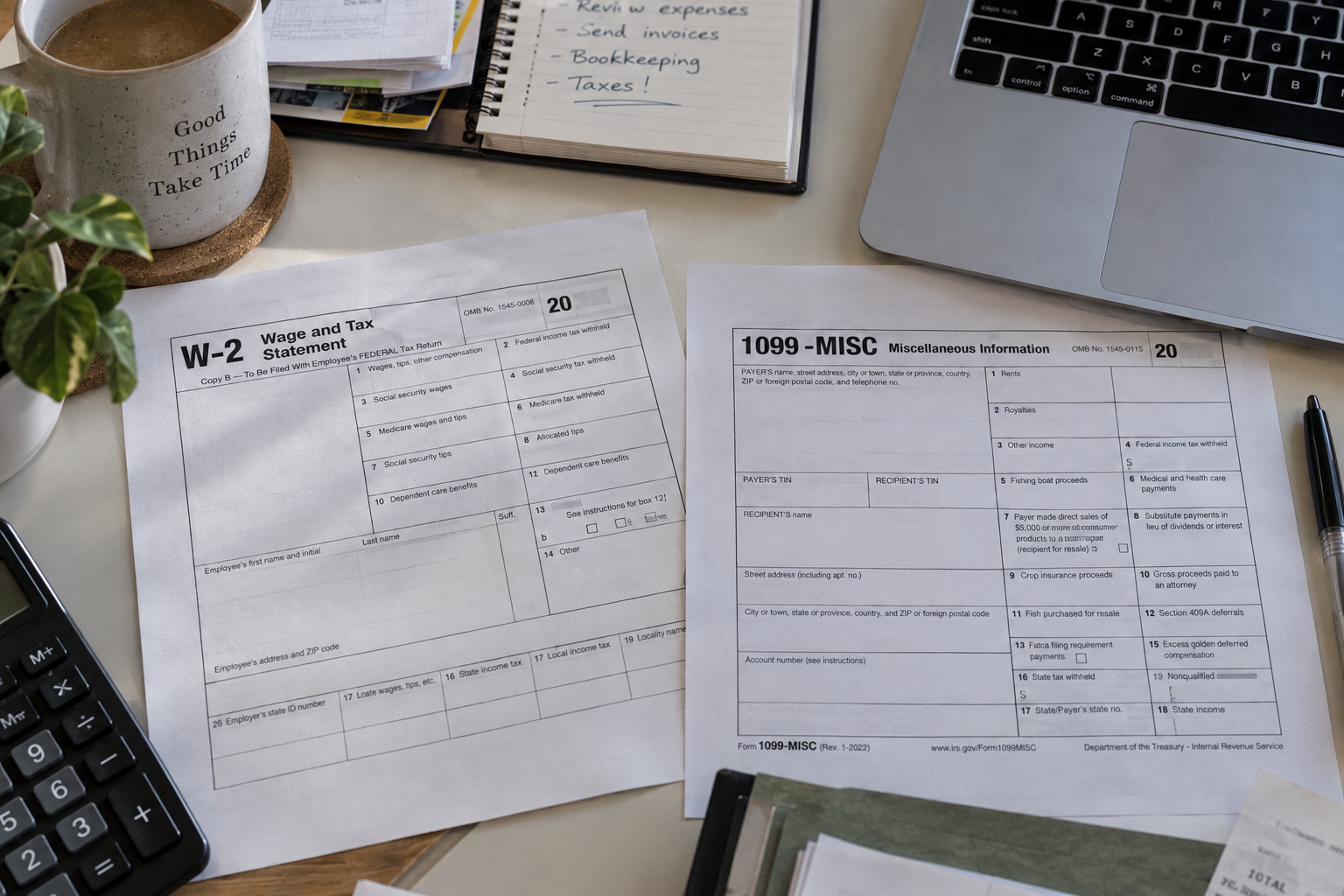
Collect all W-2s, 1099s, income records, and deduction information.
2. Prepare the Return as Soon as Possible
Even if you cannot pay the balance immediately, filing helps stop additional late filing penalties from growing.
3. File Even If You Cannot Pay in Full
Many taxpayers mistakenly wait until they can pay everything.
Filing first is usually the better strategy.
4. Pay What You Can
Any payment made now may reduce future penalties and interest.
5. Explore Payment Options
If necessary, payment arrangements may help manage the remaining balance.
Taking action early is often far less expensive than waiting for collection notices or enforcement actions.
Why Filing Is Usually Better Than Waiting
Many taxpayers delay filing because they are worried about owing money.
Unfortunately, waiting often makes the situation worse.
Filing late can trigger additional penalties, while interest continues to grow on unpaid balances.
In many cases, filing the return on time—even without full payment—results in a significantly better outcome than delaying the filing altogether.
The sooner the issue is addressed, the more options are typically available.
Disclaimer
This article is for educational purposes only and should not be considered tax, legal, or financial advice. Tax laws and penalty calculations may change. Consult a qualified tax professional regarding your specific tax situation.
Need Help With a Late Tax Return in Charlotte, NC?
At TaxPro Consult and Bookkeeping Services, we help individuals and business owners catch up on late federal and North Carolina tax filings, review available penalty relief options, and develop practical solutions for resolving outstanding tax balances.
Whether you missed one year or several years of tax returns, taking action now can help reduce additional penalties, minimize interest charges, and get you back into compliance.
If you're dealing with late tax returns, tax notices, or unpaid North Carolina taxes, professional guidance can help you understand your options and move forward with confidence.
Expert Tax and Bookkeeping Insights from Our Team






















.webp)



-2.webp)

Schedule your consultation to get a professional tax service you can trust
.avif)


Charlotte, North Carolina 28226
McMullen Creek Office Building